Bamiyan Panorama

Showing posts with label girls. Show all posts
Showing posts with label girls. Show all posts
Friday, February 06, 2015


Monday, November 17, 2014
An exhibition that documents women and girls with their toilets, showing the effect this has on their lives.
In pictures: My toilet

According to the United Nations, 2.5 billion people do not
have access to proper sanitation, including toilets. To mark World Toilet Day on
19 November, photographers from Panos Pictures have been working with Water
& Sanitation for the Urban Poor (WSUP) to produce an exhibition that
documents women and girls with their toilets, showing the effect this has on
their lives.

Renee is an artist. She left her former home in the densely populated suburbs of Sydney to live a quieter life in bush surrounds, a one-hour drive north of the city. She has built a shed on 10 acres of land and has an outside toilet. Renee has no concerns about privacy as she is not overlooked by neighbours.


Sukurbanu, 65, has lived in Rupnagar slum, in Dhaka, since her childhood. She uses a hanging toilet - a platform built over water - from which she recently fell. She says she often suffers from illnesses that she believes are caused by using these toilets. She lives with three daughters, who face long queues to use the toilets before they go to work in the mornings.

Brazil

Isabela, 33, lives alone in a penthouse in Rio de Janeiro. She has an MBA in environmental law and works as a fine artist. "My toilet means comfort to me. But I know what is behind it: water supply, sewerage, pollution of lakes and oceans.
"The fact is that I do like to have a good shower, and for a Brazilian girl like me, it means at least 10 minutes of clean water being wasted. It's a privilege. I have a clean water supply, hot water and a comfortable toilet seat."

Fabiola, 69, lives in Cumbaya, a valley near Quito. Between the ages of seven and 21, she shared a toilet with 20 other people who lived in her condominium. Now she lives in an apartment, which has five bathrooms. Her bathroom is the biggest one and she is very proud of it.

Meseret, a restaurant manager in Addis Ababa, shares a one-bedroom government house with her two children, two sisters and mother. She was widowed nine years ago when her husband was shot during the aftermath of the 2005 elections. Her shared toilet is a long way away, so for safety the family use the side yard next to their house.

Ima, 47, is a toilet attendant in Kumasi. She lives in a rented room with her husband and four children aged 14-22. She is a very dedicated worker and relies on the income from her job to fund her children's education. She does not have a toilet at home. During the day, she uses the public toilet where she works, but at night she uses a plastic bag as it is not safe to go outside.

Martine is 27 years old. She lives near a river in Cayimithe. "I don't have an enclosed toilet. My toilet is a hole in the ground by my house, which is now full and has become really dangerous. I only use it at night when I can have some privacy. In the daytime, I use a community toilet which is about 15 minutes away from my house."

Sangita, 35, moved to Delhi City 10 years ago. Before that she lived in a village where she used to go to the toilet in the fields, and says she felt ashamed of it. This made her adamant that she would have her own toilet in Delhi.

Eiko, 61, lives in Tokyo. "Since this department store is close to my home, I often come here for shopping. When I was a child, the public toilets were not clean and smelled bad, but every time I use the bathroom here, I feel so relaxed. I could spend many hours here."
In this department store, the toilet is called a switch room to describe a special place where people can switch their mood and feel relaxed. The toilets have features like surround-sound music and heated seats. In the powder room next to the toilets, Eiko can charge her mobile phone, watch TV and have a foot massage.

Eunice is the co-founder of Kasarani Academy in Naivasha. Previously, the school had only two toilets for 250 pupils. Tenants living nearby used the toilets as well and left them in a poor condition.
Because of this, Eunice found that the children preferred to go in the open. Eunice and her husband Paul have now invested in child-friendly toilets. These tiny toilets have prevented adults using them as they cannot fit through the doors. "Parents will enrol their children here because of our child-friendly toilets," she said.

Flora, 19, is a high school student. She lives in Chamanculo C in Maputo with her mother, sister and niece. She shares a toilet with several other families living nearby. "I hate using the toilet. Sometimes men peek over the fence. There is no privacy."

Pana, 49, lives in Buzescu. Like almost half of the Romanian population, she lives in the countryside where there is no running water or sewerage supplied by the municipality. Pana does have a toilet inside her house, but it is used only by her nephews when they visit. She uses the outside toilet, even in the winter.

Nombini has two porta-potties, which are used by the 12 people who live in her home. When she first moved to Khayelitsha in 2005, she did not have a toilet so she had to go in the bush, across a main road. "It was terrible in the bush - the cars hit you. When we were given a porta-potty in 2009, it was much better than going in the bush. Flush toilets are first class compared to the porta-potty though. My dream is to have a flush toilet."

Mary is a writer who lives in New York City. "Living with two housemates, it is important to schedule our bathroom time and take turns cleaning it. I used to live in Beijing, where I had to use a public bathroom as my apartment didn't have a private toilet. While it was safe and relatively clean, I used to hate putting my coat on just to go to the bathroom in the middle of night during winter. That experience made me really appreciate the privacy and comfort of having a clean toilet at home."

Susan, 46, is the founder of a community school for children with physical and mental disabilities. "It makes me proud and happy to teach disabled children so that in the future they can have a better life and not just stay at home. I was attacked by polio at the age of two. It's not easy being disabled in Lusaka. Using the toilet is a challenge, especially in the rainy season, as I have to crawl to the toilets on my hands."
Thursday, July 18, 2013
Malala Yousafzai's diary inspires other Pashtun girls yearning for education
Malala Yousafzai's diary inspires other Pashtun girls yearning for education
The words of a young girl whose determination to go to school made her a target for the Taliban has made others eager to learn

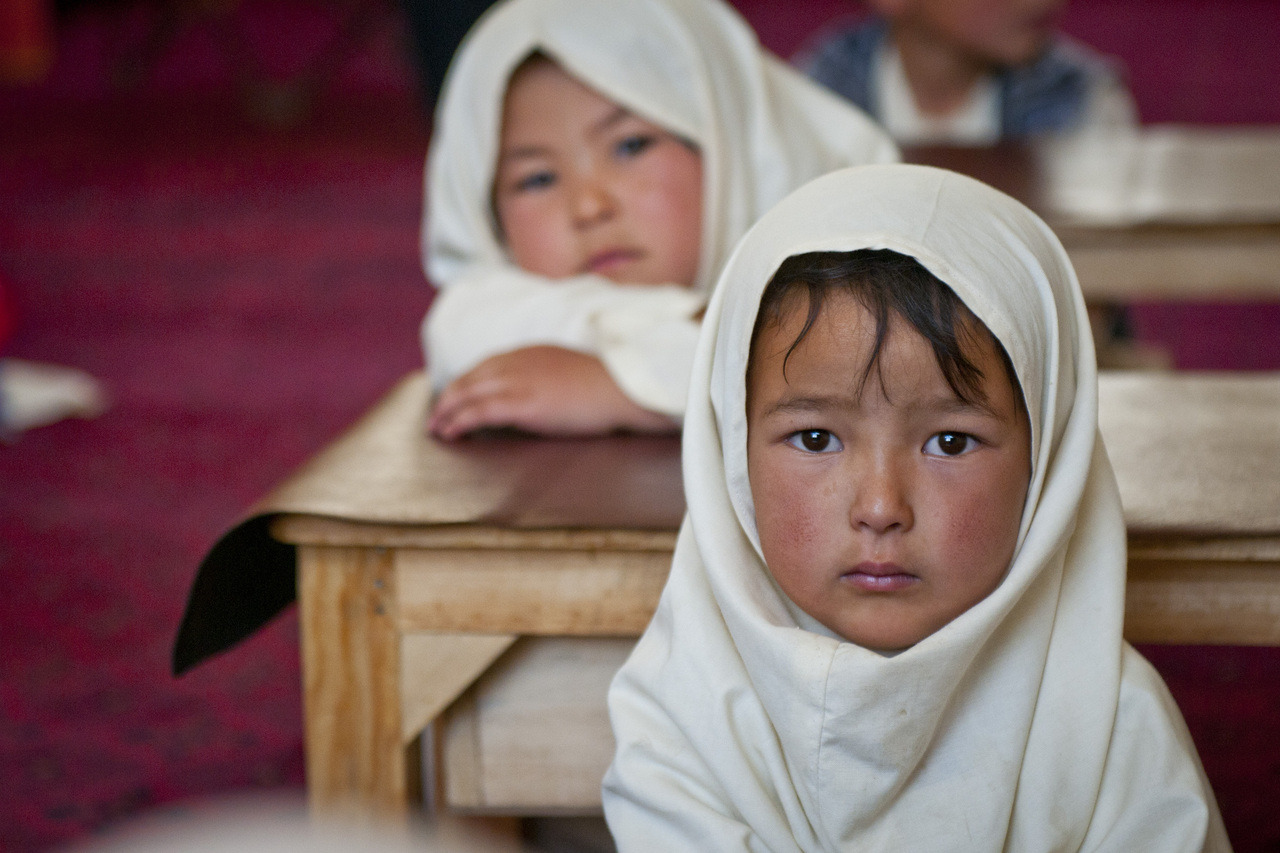
Pakistani girls at school in Mingora, Swat. The Taliban's shooting of Malala Yousafzai has paradoxically inspired other girls to study. Photo: A Majeed/AFP/Getty
For many in Pakistan, Malala Yousafzai, the schoolgirl who was shot in the head by the Taliban, is a symbol of resilience and courage in her fight for the right of young girls to receive an education. For hardline right-wing groups and conspiracy theorists, she is a controversial figure accused of being a "CIA agent" and having staged the attack on herself.
But for young Pashtun girls in Karachi, Malala's struggle to get an education in the Swat region amid an insurgency is an inspiration. This part of Malala's life – documented in a diary published by the BBC – has encouraged many of them to start writing and sharing their own dreams of staying in school.
After the Pakistani Taliban attempted to assassinate Malala last October, a young teacher with the Teach for Pakistan programme started reading Malala's diary to her 13-year-old pupils at a government-run secondary school in Karachi.
"They had heard other things about her," recalls Afrah Qureshi, who teaches English to 200 students at the school, in a poor, conservative Pashtun district. "Some said that they had heard she had committed blasphemy, that she had said something about religion. And then I asked them if they had read Malala's diary."
Qureshi began reading a page of Malala's diary to her young pupils every day in her class, and encouraged them to begin writing their own. As they read her diary, their perceptions changed almost entirely. "They loved reading her thoughts," said Qureshi. "I wanted them to make an informed opinion."
One 14-year-old girl, Sara*, writes in an elegant, cursive hand and at length about her own aspirations and scenes from everyday life. "I think Malala is a brave and an intelligent girl," reads the first entry in her own diary, titled A Tribute to Malala.
"The Taliban should not stop her to go to school because every person has their own life. A killer should not attack on her because it is not right … We all should respect our talented people, as we respect Malala."
Sara told the Guardian that she had enjoyed reading Malala's diary and her story in her own words, and she loved writing her own diary. "It improves my English," she said.
One year on, she says she can't wait to return to school after the summer holiday is over. "I didn't like studying so much before, but now I really want to. My younger brothers, my sister and I … we are all reading our books."
Sara's diary is a reflection of the perils in the city she lives in – Karachi – where an average of eight people are killed in assassinations and clashes between rival factions every day. "About 8pm there were two bomb blasts in Karachi and I'm so sad," she wrote in November. "Why [do] killers kill the people? Do they feel good after killing the people?"
Afrah Qureshi said Sara's father was incredulous at first, when she had a conversation with him in English. "You must have rote-learned this," he told his daughter, according to Qureshi. Now, he's proud of his daughter's English skills.
Aliya, a 13-year-old pupil, exuberantly wished Qureshi "Happy Malala Day, teacher!"
"I love going to school," Aliya said. "My teacher is there, my friends are there. I get up early for school, and I'm even attending summer camp where I've taken every single class. I love studying."
She rattled off a list of things she wants to do when she's older, including going to one of the country's most prestigious private universities. "I want to take science subjects in class 9 and class 10, and then study computer science at LUMS [Lahore University of Management Sciences], and then I'm going to work for Teach for Pakistan!," she said, referring to the nationwide movement of graduates who volunteer to teach in under-resourced schools.
For many of these girls, there is little hope that they will ever get more than a secondary school certificate. Many are taken out of school when they are 14 to get married. In this community, there is no concept of women working, though that is changing in other Pashtun districts in Karachi. At a parent-teacher conference, Qureshi recalled a girl's father telling her that he was "very worried" about his daughter's future. "I see that she's so intelligent and I want to help her, but how?" he said.
Despite the challenges, Teach for Pakistan says these young girls are incredibly eager to learn, and spend their breaks in the classroom so they have an opportunity to closely engage with their teachers. The organisation's teaching fellows work with the communities and the parents – who they consider the biggest stakeholders – to ensure that they are all on board and involved with the girls' education. In Aliya and Sara's school, enrolment has nearly doubled this year as a result. More women are applying to work at Teach for Pakistan, which means that they can place more teachers in girls' schools.
Another entry by Sara recalls a conversation she had with her sister about what she wanted to do later in life. "Sometimes I think: what will I become? I like many professions like singer, actor, writer, teacher, poet whatever, but my most favourite is army ... If I cannot become something special, I want to become a good person."
*The names of pupils have been changed to protect their identity.
But for young Pashtun girls in Karachi, Malala's struggle to get an education in the Swat region amid an insurgency is an inspiration. This part of Malala's life – documented in a diary published by the BBC – has encouraged many of them to start writing and sharing their own dreams of staying in school.
After the Pakistani Taliban attempted to assassinate Malala last October, a young teacher with the Teach for Pakistan programme started reading Malala's diary to her 13-year-old pupils at a government-run secondary school in Karachi.
"They had heard other things about her," recalls Afrah Qureshi, who teaches English to 200 students at the school, in a poor, conservative Pashtun district. "Some said that they had heard she had committed blasphemy, that she had said something about religion. And then I asked them if they had read Malala's diary."
Qureshi began reading a page of Malala's diary to her young pupils every day in her class, and encouraged them to begin writing their own. As they read her diary, their perceptions changed almost entirely. "They loved reading her thoughts," said Qureshi. "I wanted them to make an informed opinion."
One 14-year-old girl, Sara*, writes in an elegant, cursive hand and at length about her own aspirations and scenes from everyday life. "I think Malala is a brave and an intelligent girl," reads the first entry in her own diary, titled A Tribute to Malala.
"The Taliban should not stop her to go to school because every person has their own life. A killer should not attack on her because it is not right … We all should respect our talented people, as we respect Malala."
Sara told the Guardian that she had enjoyed reading Malala's diary and her story in her own words, and she loved writing her own diary. "It improves my English," she said.
One year on, she says she can't wait to return to school after the summer holiday is over. "I didn't like studying so much before, but now I really want to. My younger brothers, my sister and I … we are all reading our books."
Sara's diary is a reflection of the perils in the city she lives in – Karachi – where an average of eight people are killed in assassinations and clashes between rival factions every day. "About 8pm there were two bomb blasts in Karachi and I'm so sad," she wrote in November. "Why [do] killers kill the people? Do they feel good after killing the people?"
Afrah Qureshi said Sara's father was incredulous at first, when she had a conversation with him in English. "You must have rote-learned this," he told his daughter, according to Qureshi. Now, he's proud of his daughter's English skills.
Aliya, a 13-year-old pupil, exuberantly wished Qureshi "Happy Malala Day, teacher!"
'I love going to school'
Aliya said she had been moved by reading Malala's diary. "I felt very bad that she wasn't allowed to study. It was only her parents who did a great service to her and helped her do so," she said."I love going to school," Aliya said. "My teacher is there, my friends are there. I get up early for school, and I'm even attending summer camp where I've taken every single class. I love studying."
She rattled off a list of things she wants to do when she's older, including going to one of the country's most prestigious private universities. "I want to take science subjects in class 9 and class 10, and then study computer science at LUMS [Lahore University of Management Sciences], and then I'm going to work for Teach for Pakistan!," she said, referring to the nationwide movement of graduates who volunteer to teach in under-resourced schools.
For many of these girls, there is little hope that they will ever get more than a secondary school certificate. Many are taken out of school when they are 14 to get married. In this community, there is no concept of women working, though that is changing in other Pashtun districts in Karachi. At a parent-teacher conference, Qureshi recalled a girl's father telling her that he was "very worried" about his daughter's future. "I see that she's so intelligent and I want to help her, but how?" he said.
Despite the challenges, Teach for Pakistan says these young girls are incredibly eager to learn, and spend their breaks in the classroom so they have an opportunity to closely engage with their teachers. The organisation's teaching fellows work with the communities and the parents – who they consider the biggest stakeholders – to ensure that they are all on board and involved with the girls' education. In Aliya and Sara's school, enrolment has nearly doubled this year as a result. More women are applying to work at Teach for Pakistan, which means that they can place more teachers in girls' schools.
Another entry by Sara recalls a conversation she had with her sister about what she wanted to do later in life. "Sometimes I think: what will I become? I like many professions like singer, actor, writer, teacher, poet whatever, but my most favourite is army ... If I cannot become something special, I want to become a good person."
*The names of pupils have been changed to protect their identity.
Tuesday, October 09, 2012
Malala Yousafzai shot by Taliban - two articles
Malala Yousafzai: Pakistan activist, 14, shot in Swat
 Malala Yousafzai was hit in the head, but is reportedly out of danger
Gunmen have wounded a 14-year-old rights activist who has campaigned for girls' education in the Swat Valley in north-west Pakistan.
Malala Yousafzai was attacked on her way home from school in Mingora, the region's main town. She came to public attention in 2009 by writing a diary for BBC Urdu about life under Taliban militants who had taken control of the valley.
A Pakistani Taliban spokesman told the BBC they carried out the attack.
Ehsanullah Ehsan told BBC Urdu that they attacked her because she was anti-Taliban and secular, adding that she would not be spared.
The chilling attack on the young peace campaigner has been leading TV news bulletins here. Malala Yousafzai is one of the best-known schoolgirls in the country. Young as she is, she has dared to do what many others do not - publicly criticise the Taliban.
Malala's confident, articulate campaign for girls' education has won her admirers - and recognition - at home and abroad. She has appeared on national and international television, and spoken of her dream of a future Pakistan where education would prevail.
Even by the standards of blood-soaked Pakistan, there has been shock at the shooting. It has been condemned by Pakistan's Prime Minister, Raja Pervez Ashraf, who sent a helicopter to transfer Malala to hospital in Peshawar.
The head of Pakistan's Independent Human Rights Commission, Zohra Yusuf, said "this tragic attack on this courageous child" sends a very disturbing message to all those working for women and girls.
Malala's confident, articulate campaign for girls' education has won her admirers - and recognition - at home and abroad. She has appeared on national and international television, and spoken of her dream of a future Pakistan where education would prevail.
Even by the standards of blood-soaked Pakistan, there has been shock at the shooting. It has been condemned by Pakistan's Prime Minister, Raja Pervez Ashraf, who sent a helicopter to transfer Malala to hospital in Peshawar.
The head of Pakistan's Independent Human Rights Commission, Zohra Yusuf, said "this tragic attack on this courageous child" sends a very disturbing message to all those working for women and girls.
Malala Yousafzai was travelling with at least one other girl when she was shot, but there are differing accounts of how events unfolded.
One report, citing local sources, says a bearded gunman stopped a car full of schoolgirls, and asked for Malala Yousafzai by name, before opening fire. But a police official also told BBC Urdu that unidentified gunmen opened fire on the schoolgirls as they were about to board a van or bus.
She was hit in the head and, some reports say, in the neck area by a second bullet, but is now in hospital and is reportedly out of danger. Another girl who was with her at the time was also injured.
'Courage' Malala Yousafzai was just 11 when she was writing her diary, two years after the Taliban took over the Swat Valley, and ordered girls' schools to close.
In the diary, which she kept for the BBC's Urdu service under a pen name, she exposed the suffering caused by the militants as they ruled.
She used the pen-name Gul Makai when writing the diary. Her identity only emerged after the Taliban were driven out of Swat and she later won a national award for bravery and was also nominated for an international children's peace award.
Correspondents say she earned the admiration of many across Pakistan for her courage in speaking out about life under the brutal rule of Taliban militants.
One poignant entry reflects on the Taliban decree banning girls' education: "Since today was the last day of our school, we decided to play in the playground a bit longer. I am of the view that the school will one day reopen but while leaving I looked at the building as if I would not come here again."
She has since said that she wants to study law and enter politics when she grows up. "I dreamt of a country where education would prevail," she said.

Taliban driven out The BBC's Orla Guerin in Islamabad says that Malala Yousafzai was a public figure who didn't shy away from risks and had strong support from her parents for her activism. Indeed, her father, who is a school teacher, expressed his pride in her campaigning.
In a statement about the attack, Pakistani Prime Minister Raja Pervez Ashraf said: "We have to fight the mindset that is involved in this. We have to condemn it... Malala is like my daughter, and yours too. If that mindset prevails, then whose daughter would be safe?"
The Taliban, under the notorious militant cleric Maulana Fazlullah, took hold of the Swat Valley in late 2007 and remained in de facto control until they were driven out by Pakistani military forces during an offensive in 2009.
While in power they closed girls' schools, promulgated Sharia law and introduced measures such as banning the playing of music in cars. Since they were ejected, there have been isolated militant attacks in Swat but the region has largely remained stable and many of the thousands of people who fled during the Taliban years have returned.
Peace-prize winning Pakistani girl on Taliban hit list fights for life after shooting

AFP
Soldiers take Malala Yousafzai, 14, to an army hospital after a gunman attacked her and two other girls in Peshawar, Pakistan, on Tuesday.
Local police and hospital officials told NBC News that Malala was shot in the neck and head shortly after leaving her school in the Swat region. Doctors said they were working in an attempt to save the lives of all three girls.
Malala was nominated for the International Children's Peace Prize in 2011 for a blog she wrote under a pseudonym for the BBC. She also won the National Peace Prize in Pakistan, was honored with a school named after her, and quickly became an outspoken critic of the Taliban in Pakistan and public advocate for peace.
Obama her 'ideal' leader
In early 2011, the militants had added Malala to their hit list.
"We wanted to kill her as she was pro-West, she was speaking against Taliban and more important she was calling President Obama as her ideal. She was young but was promoting a Western culture in the Pakhtun populated areas," Ihsanullah Ihsan, the spokesman of Tehrik-e-Taliban Pakistan or TTP said Tuesday.

Veronique De Viguerie / Getty Images, file
Malala Yousafzai, pictured here at the age of 12 in March 2009, was undergoing surgery after she was shot twice Tuesday.
The Taliban had made a plan for killing her a year ago but were waiting for an opportunity, he told NBC News.
Yousafzai was initially treated at the Saidu Sharif Teaching Hospital, in Mingora, the main city of Swat, but was later airlifted to a hospital in the larger city of Peshawar.
A police official, quoting other students who witnessed the shooting, said some people came in a car and stopped in front of the school and then asked them to identify Malala.
"Since the students already knew about threats to Malala Yousufzai's life, therefore they said they didn't know her," the police officer said.
But he said when Malala came out of the school and sat in a school van she was shot.
The young girl's stark depictions of daily life in Swat -- as Pakistan’s army carried out a massive military operation against the Taliban in the area -- led her to become the first Pakistani girl nominated for the children's peace prize.
She began writing the diary for the BBC when she was just 11.
In one posting on her BBC blog, she wrote, "My younger brother does not like going to school. He cries while going to school and is jubilant coming back home ... He said that whenever he saw someone he got scared that he might be kidnapped. My brother often prays 'O God bring peace to Swat and if not then bring either the US or China here.'"
Tuesday, October 02, 2012
Friday, August 10, 2012
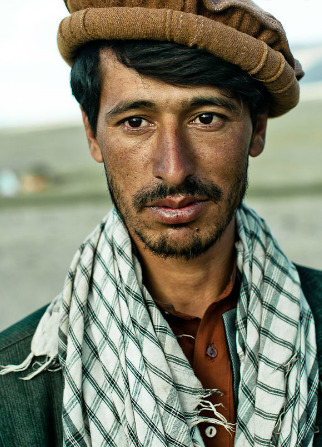
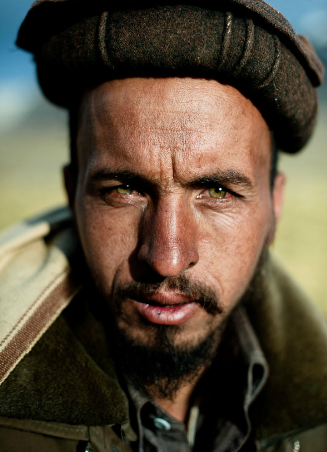
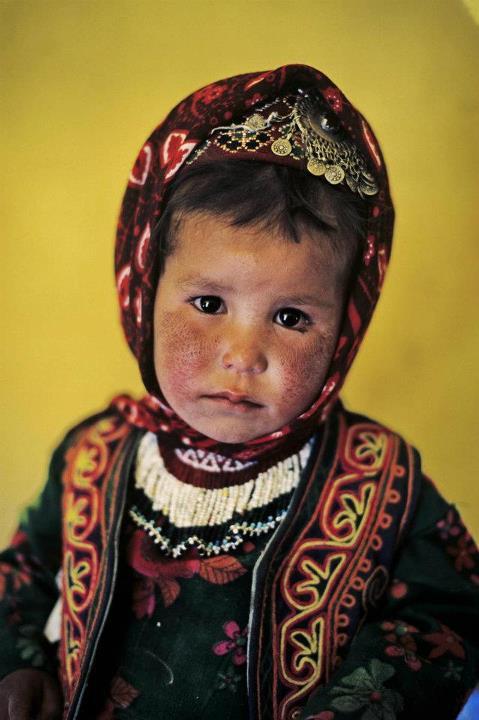
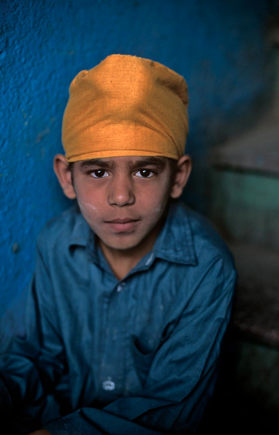
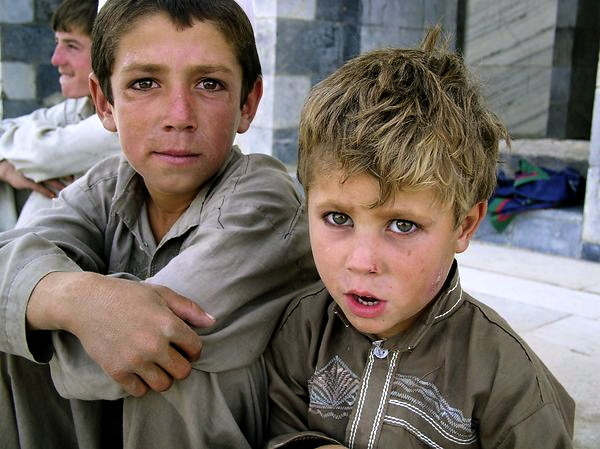
Photos of daily life in Afghanistan


what's under the burqa?
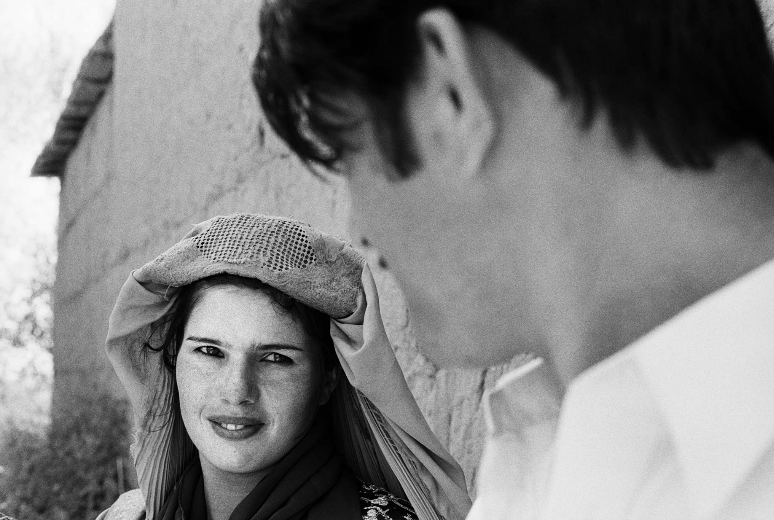
she is!

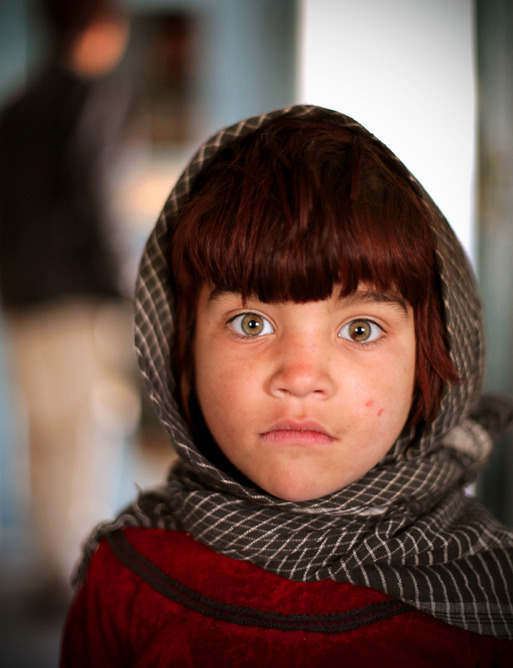

Afghan girl scouts!


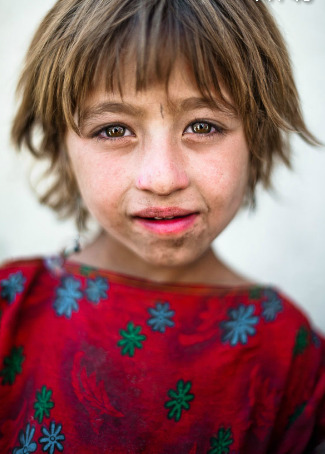
orphans. no smiles.


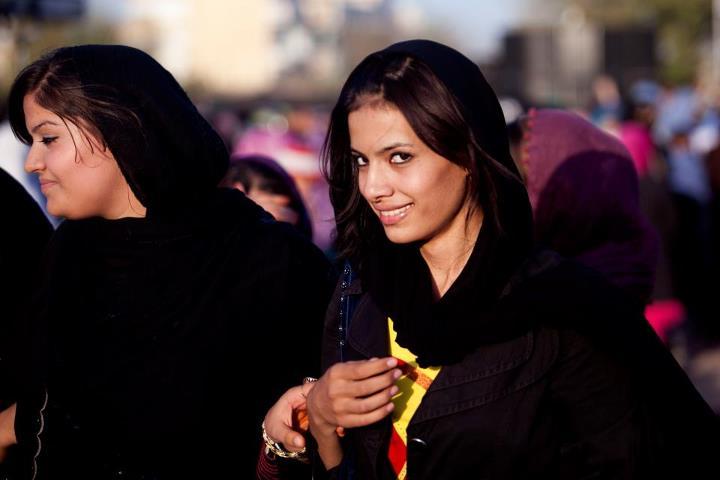




![“The best richness is the richness of the soul.” - Prophet Muhammad (Peace be with him) [Bukhari]](https://lh3.googleusercontent.com/blogger_img_proxy/AEn0k_sAHQx-5QdJXkUFxzALT-avDPw86qzAVe9sugztcWVGsMwtBeW0s8qF_l9nGKHawx9ygg4djY7zLW3vnFRoJvIDGzxg5-1MbJ_cy3JP1F-2mSicrHXVAL1W6dB23mAK1w=s0-d)




Jamilah, 25, is a leg amputee. She is pictured here with her son Javid, 6, and her daughters Bahara, 3, and baby Elham.


Frozen lake in Kabul

HA!

Students studying at Kabul University


(this appears to be an old photo)

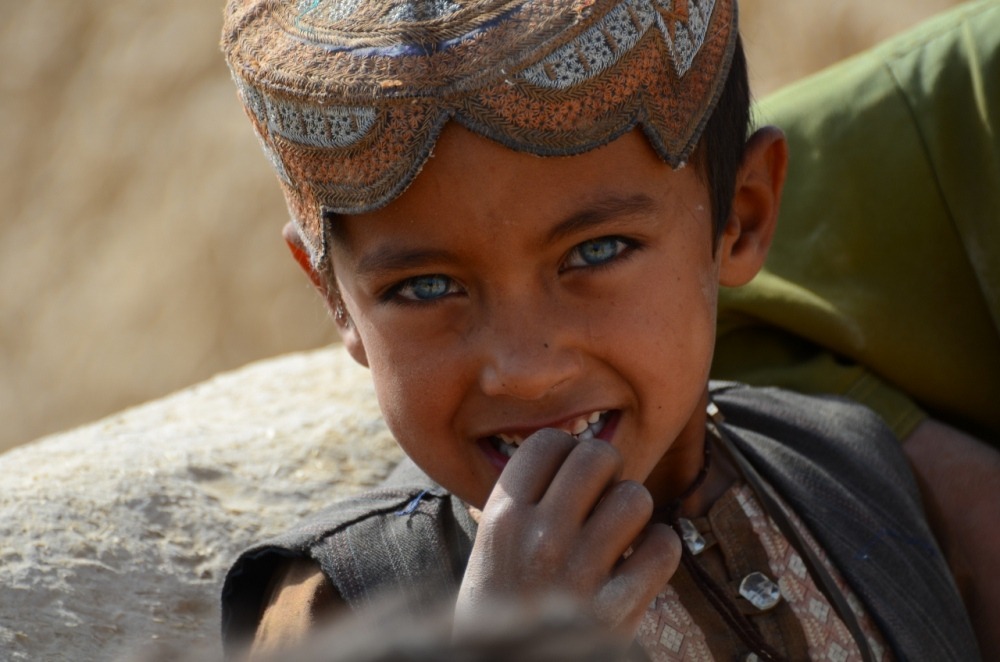


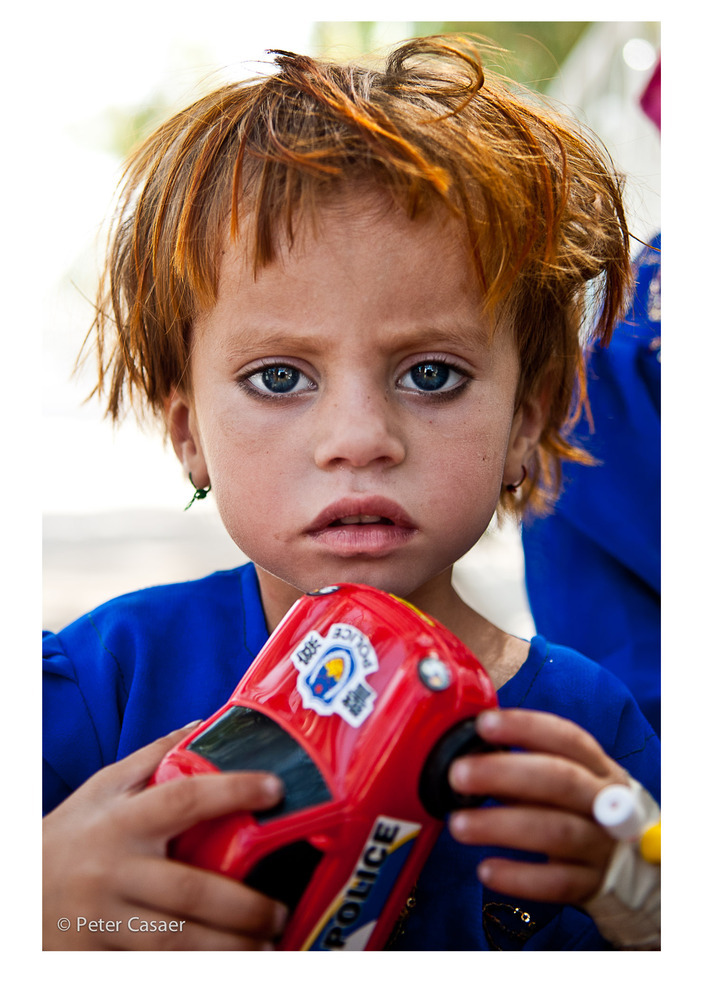


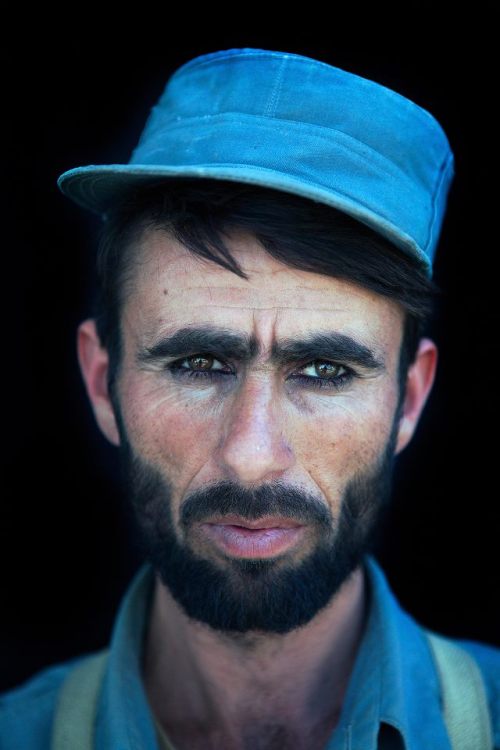


nomads


at a calligraphy school

love the glasses!
All photos taken from http://afghanistaninphotos.tumblr.com/
Subscribe to:
Posts (Atom)